
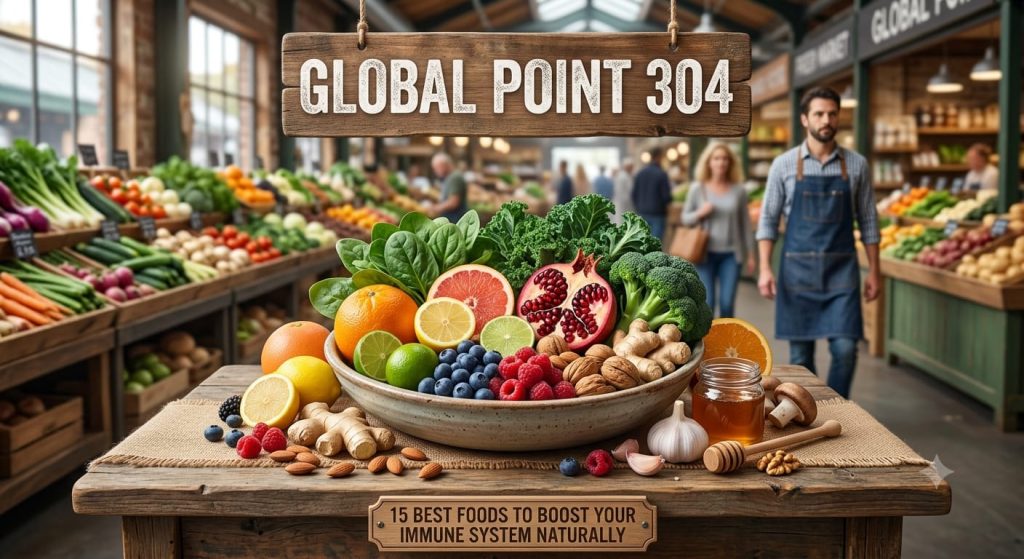
When it comes to staying healthy in 2026, few topics matter as much as finding the Best Foods for Immunity. With seasonal flu outbreaks, rising air pollution in major Pakistani cities, and the lingering effects of poor packaged-food habits, more readers are searching for natural, affordable, and effective ways to strengthen their body’s defense system. In this complete guide, Global Point 304 brings you a science-backed list of the Best Foods for Immunity that you can easily add to your daily diet — no expensive supplements required.
This guide covers everything from the science of immunity, to a detailed breakdown of 15 powerful foods, a sample weekly meal plan, common mistakes to avoid, and answers to the questions people are asking most on Google and AI search tools like ChatGPT and Gemini in 2026.
Quick Navigation
➡️ How immunity works | ➡️ 15 immune-boosting foods | ➡️ 7-day meal plan | ➡️ Common mistakes | ➡️ Foods vs supplements | ➡️ FAQs
How Your Immune System Actually Works
Before diving into the Best Foods for Immunity, it helps to understand what your immune system actually does. Your body relies on a complex network of white blood cells, antibodies, and organs like the spleen and lymph nodes to identify and destroy harmful invaders such as viruses and bacteria. This system needs a constant supply of specific vitamins, minerals, and antioxidants to function at full strength.
When your diet lacks essential nutrients like vitamin C, vitamin D, zinc, and iron, your immune response slows down, making you more vulnerable to infections and slower to recover when you do get sick. This is exactly why nutritionists worldwide emphasize whole, natural foods over processed alternatives. Choosing the Best Foods for Immunity gives your body the raw materials it needs to defend itself efficiently, rather than relying on medication only after symptoms appear.
It’s also worth noting that immunity isn’t built overnight. Your body is constantly producing new immune cells, and the nutrients you consume today influence how well those cells function weeks from now. This is why short-term detox trends and one-time “immunity boosting” drinks rarely deliver lasting results on their own. Long-term, consistent nutrition — built around real, unprocessed food — remains the most reliable strategy supported by nutritional science, and it is far more sustainable for the average Pakistani household than expensive short-term fixes.
Why the Best Foods for Immunity Matter More Than Ever
Your immune system is your body’s first line of defense against viruses, bacteria, and everyday environmental stress. A weak immune system means more sick days, slower recovery, and higher long-term health risks. Choosing the Best Foods for Immunity isn’t a trend — it’s a lifestyle decision backed by decades of nutritional science. According to the World Health Organization, a balanced diet rich in vitamins, minerals, and antioxidants plays a direct role in reducing infection risk and supporting faster recovery.
In Pakistan, where processed and packaged foods are becoming increasingly common in urban diets, it is more important than ever to return to natural, whole-food sources of nutrition. If you haven’t already, check our earlier guide on how to read packaged food labels in 2026 to understand what’s really going into your meals before exploring these immunity-boosting alternatives.
15 Best Foods for Immunity You Should Eat Regularly
1. Citrus Fruits (Oranges, Lemons, Kinnow)
Citrus fruits top almost every list of the Best Foods for Immunity because of their high vitamin C content. Vitamin C is known to increase the production of white blood cells, which are key to fighting infections, and it also acts as a powerful antioxidant that protects cells from damage. Pakistan’s own Kinnow, widely grown in Punjab, is an excellent and affordable local source available throughout the winter season. Eating one citrus fruit daily, or drinking fresh lemon water in the morning, can noticeably improve your resistance to seasonal colds and flu while also supporting healthier skin.
2. Garlic (Lehsan)
Garlic has been used for centuries as a natural remedy, and modern research backs it up. Its active compound, allicin, has antimicrobial and immune-boosting properties, making it one of the Best Foods for Immunity found in almost every Pakistani kitchen. Studies suggest that regular garlic consumption may reduce the frequency and severity of common colds. Adding raw or lightly cooked garlic to daily meals, curries, or even a small clove chewed on an empty stomach, can help your body fight off common infections more effectively over time.
3. Ginger (Adrak)
Ginger reduces inflammation and has been shown to help with sore throats, nausea, and general immune support. It contains gingerol, a bioactive compound with strong antioxidant and anti-inflammatory effects. It’s a staple in Pakistani “desi qehwa” and remains one of the most trusted Best Foods for Immunity during the winter season. A warm cup of ginger tea, especially when combined with honey and lemon, can soothe your throat while giving your immune system a helpful daily boost.
4. Spinach (Palak)
Rich in vitamin C, antioxidants, and beta carotene, spinach is a nutritional powerhouse among leafy greens. Lightly cooking spinach increases vitamin A availability while retaining most of its nutrients, which is why nutritionists consistently rank it among the Best Foods for Immunity for people of all ages, including growing children and elderly family members. Adding a handful of spinach to daily lentils (daal) or as a side dish is a simple way to boost your family’s nutrient intake without changing your entire diet.
5. Yogurt (Dahi)
Probiotic-rich yogurt supports gut health, and since a large portion of your immune system lives in your gut, this makes dahi one of the most accessible Best Foods for Immunity available at every local dairy shop in Pakistan. The live bacterial cultures in yogurt help maintain a healthy balance of gut flora, which directly influences how well your body responds to infections. Choose plain, unsweetened yogurt for maximum benefit and pair it with fruit or a pinch of black pepper for a nutritious breakfast.
6. Almonds (Badam)
Almonds are loaded with vitamin E, a powerful antioxidant that helps regulate immune function and protect cell membranes from damage. A small handful of soaked almonds each morning is a traditional Pakistani practice that modern science now confirms as one of the Best Foods for Immunity, especially for brain health, cellular repair, and long-term energy. Soaking almonds overnight also makes them easier to digest and helps release more of their nutrients.
7. Turmeric (Haldi)
Turmeric contains curcumin, a compound with strong anti-inflammatory and antioxidant properties that has been studied extensively for its role in supporting immune health. Found in nearly every Pakistani curry, turmeric deserves its reputation as one of the Best Foods for Immunity, particularly when combined with black pepper, which significantly increases curcumin absorption in the body. A warm glass of turmeric milk (haldi doodh) before bed is a traditional remedy still recommended by many households today.
8. Green Tea (Sabz Chai)
Packed with catechins and antioxidants, green tea supports overall immune function, metabolic health, and helps the body fight oxidative stress. Replacing sugary drinks and excessive regular chai with green tea is a simple switch that places it firmly among the Best Foods for Immunity recommended by health experts worldwide. Two to three cups a day, especially in the morning or after meals, can provide noticeable long-term benefits.
9. Broccoli
Broccoli is rich in vitamins A, C, and E, along with fiber and a wide range of antioxidants that support immune cell function. Steaming rather than boiling helps retain its nutrients, making it one of the most nutrient-dense vegetables and a reliable entry on any list of the Best Foods for Immunity. While not always common in traditional Pakistani cooking, it is increasingly available in local markets and can be added to stir-fries or soups.
10. Sunflower Seeds
These small seeds are surprisingly rich in vitamin E, selenium, and phosphorus, all of which play a role in maintaining a strong immune response. Adding a spoonful to salads, cereal, or eating them as a roasted snack makes sunflower seeds one of the easy, affordable Best Foods for Immunity options for busy households looking for quick nutritional wins.
11. Papaya
Papaya contains a digestive enzyme called papain along with a generous dose of vitamin C, potassium, and folate, all of which support immune and digestive health simultaneously. Its anti-inflammatory properties make it another strong contender among the Best Foods for Immunity that are widely available across Pakistan in summer months, often at very affordable prices compared to imported fruits.
12. Poultry and Eggs
Protein is essential for building and repairing immune cells, and lean poultry along with eggs provides high-quality protein along with vitamin B6, which supports the biochemical reactions in the immune system. Nutritionists frequently recommend these as part of the Best Foods for Immunity, especially for children and elderly family members recovering from illness or surgery, since protein aids tissue repair and antibody production.
13. Sweet Potatoes (Shakarqandi)
Rich in beta carotene, which the body converts to vitamin A, sweet potatoes support skin and mucous membrane health, both of which act as physical barriers against infection. This makes shakarqandi, a common winter street food across Pakistan, one of the most enjoyable seasonal Best Foods for Immunity worth adding to your diet, whether roasted, boiled, or mashed.
14. Pomegranate (Anar)
Pomegranate is loaded with antioxidants and polyphenols that help combat oxidative stress and inflammation in the body. Widely grown in Balochistan, pomegranate is a naturally local and delicious addition to the Best Foods for Immunity that families across Pakistan already enjoy, particularly during autumn and winter months when it is most abundant and affordable.
15. Honey (Shehad)
Raw honey has natural antibacterial and antimicrobial properties and has long been used in traditional medicine for coughs, colds, and sore throats. Choosing pure, unprocessed honey over refined sugar is a simple change that secures its place among the Best Foods for Immunity recommended by dietitians today, especially when mixed with warm water, lemon, or ginger for an extra immune-supporting drink.
A Simple 7-Day Meal Plan Using the Best Foods for Immunity
Knowing the Best Foods for Immunity is one thing, but building them into your weekly routine is what actually makes a difference. Here is a simple, budget-friendly framework Pakistani households can follow:
Monday: Start with warm lemon water, add spinach to your daal at lunch, and enjoy a small bowl of yogurt with dinner.
Tuesday: Include a garlic and ginger-based curry for lunch, and snack on soaked almonds in the afternoon.
Wednesday: Add turmeric milk before bed and enjoy a kinnow or orange as a mid-day snack.
Thursday: Prepare an egg-based breakfast and include broccoli or sunflower seeds in your evening salad.
Friday: Drink green tea after lunch and enjoy papaya as a light evening snack.
Saturday: Add sweet potato to your dinner and finish the day with a spoon of honey in warm water.
Sunday: Enjoy pomegranate seeds as a snack and revisit any of the other Best Foods for Immunity you may have missed during the week.
This kind of rotation ensures your body gets a wide variety of vitamins and minerals rather than relying on just one or two sources, which is one of the most effective long-term strategies nutritionists recommend.
Common Mistakes That Weaken Your Immune System
Even when people know the Best Foods for Immunity, certain everyday habits can quietly undo their benefits. Excessive sugar intake, common in packaged snacks and sugary drinks, has been shown to temporarily suppress immune cell activity. Chronic lack of sleep reduces the production of protective proteins called cytokines, making the body more vulnerable to illness. Skipping meals, over-reliance on fried and packaged foods, and dehydration are also common issues in Pakistani households, especially during busy work schedules or exam seasons for students.
Reducing these habits, even gradually, allows the Best Foods for Immunity to work far more effectively, since nutrition and lifestyle work hand-in-hand rather than in isolation.
Another overlooked mistake is inconsistent eating patterns caused by extreme dieting or fasting trends followed without proper guidance. Sudden calorie restriction can deprive the body of the steady nutrient supply it needs to keep immune cells functioning properly. Similarly, excessive consumption of fried street food, common in many Pakistani cities, can contribute to chronic low-grade inflammation, which over time makes it harder for the body to respond quickly to genuine threats like viral infections. Balance, not extremes, is the real long-term key to a resilient immune system.
Natural Foods vs Supplements: Which Is Better?
Walk into any pharmacy in Pakistan today and you’ll find shelves full of multivitamins, zinc tablets, and imported immunity powders promising quick results. While these products can be helpful in cases of a diagnosed deficiency, whole foods offer something supplements often can’t replicate: a natural combination of fiber, water, antioxidants, and micronutrients that work together rather than in isolation.
A single orange, for example, doesn’t just deliver vitamin C — it also provides fiber, folate, and natural plant compounds called flavonoids that help the body absorb nutrients more efficiently. Supplements, by contrast, isolate a single nutrient, which research suggests the body doesn’t always process as effectively. This is one of the biggest reasons dietitians continue to recommend whole, natural nutrition sources over pills whenever possible, reserving supplements for cases where a blood test confirms an actual shortfall.
Cost is another major factor for Pakistani households. Imported supplement bottles can cost several thousand rupees a month, while a kilogram of kinnow, a bundle of spinach, or a jar of local honey costs a fraction of that price and delivers comparable — often superior — nutritional value when consumed consistently.
Sharing This Guide With Family and Friends
Immunity is a topic that affects every household, especially heading into flu season or during weather changes common across Pakistan. If you found this guide useful, consider sharing it on WhatsApp or Facebook with family members who are always searching for practical, no-nonsense health tips. Small, consistent dietary changes — not drastic overnight transformations — are what actually build long-term resilience against seasonal illness, and spreading accurate information helps entire communities stay healthier together.
Simple Lifestyle Habits That Support the Best Foods for Immunity
Eating the Best Foods for Immunity is only part of the equation. Getting 7-8 hours of sleep, staying hydrated, managing stress, and maintaining regular physical activity all work together with good nutrition to strengthen your body’s natural defenses. According to Harvard’s School of Public Health, no single food or supplement can prevent illness on its own — it’s the combination of consistent healthy habits that makes the real difference over time.
Regular walking, even just 20-30 minutes a day, has also been shown to support healthy immune circulation. Combined with the Best Foods for Immunity listed in this guide, these small daily habits compound into significant long-term health benefits.
Global Point 304’s Commitment to Health & Tech Awareness
At Global Point 304, our Health & Tech category is dedicated to bringing Pakistani readers reliable, easy-to-understand health information rooted in both modern science and local food culture. From breaking down packaged food labels to curating detailed guides like this one on the Best Foods for Immunity, our goal is to help families make smarter, more affordable choices for long-term wellness — without relying on expensive imported products or unverified health trends circulating on social media. We continue to research and publish practical, well-sourced content that Pakistani households can genuinely use in their everyday lives.
Frequently Asked Questions About the Best Foods for Immunity
Q1: What are the fastest Best Foods for Immunity to see results from?
Citrus fruits, garlic, and ginger tend to show noticeable benefits within a few weeks of consistent daily use, especially during flu season, since they directly support white blood cell activity.
Q2: Can I get enough immunity support from food alone, without supplements?
For most healthy individuals, yes. A varied diet built around the Best Foods for Immunity listed above typically covers your daily requirements without needing pills or powders, unless a doctor identifies a specific deficiency.
Q3: Are these Best Foods for Immunity suitable for children?
Most of these foods, including yogurt, eggs, spinach, and citrus fruits, are safe and beneficial for children when introduced in age-appropriate portions and should form a normal part of a growing child’s diet.
Q4: How long does it take to strengthen the immune system through diet?
Noticeable improvements often appear within 4-6 weeks of consistently including the Best Foods for Immunity in your daily meals, alongside good sleep, hydration, and regular movement.
Q5: Which of these foods work best for Pakistan’s climate?
Locally grown options like kinnow, garlic, ginger, pomegranate, and honey are not only among the Best Foods for Immunity but are also affordable, seasonal, and easy to find in local markets year-round.
Q6: Can these Best Foods for Immunity help with recovery after an illness?
Yes, foods high in protein, vitamin C, and zinc such as eggs, citrus fruits, and yogurt are particularly helpful in supporting the body’s recovery process after a cold, flu, or minor infection.
Final Thoughts
Building a stronger immune system doesn’t require an expensive shopping list or imported superfoods. As this guide from Global Point 304 shows, many of the Best Foods for Immunity are already available in your local Pakistani market — from garlic and ginger to kinnow, dahi, and honey. Start by adding two or three of these foods to your daily routine, stay consistent, follow the simple weekly plan above, and pair them with good sleep and hydration for the best long-term results. Your immune system, and your family’s health, will thank you — and with a little consistency, you’ll likely notice fewer sick days, more energy, and better overall wellbeing within just a few weeks of getting started.
Disclaimer: This article is for informational purposes only and does not replace professional medical advice. Please consult a qualified healthcare provider for personalized guidance before making major changes to your diet.