Introduction: Why Ultra-Processed Foods matter in 2026
Walk through almost any modern supermarket and you will find hundreds of products designed to make eating faster, easier, cheaper, and more convenient
Breakfast cereals, packaged snacks, instant noodles, flavored drinks, frozen meals, sweetened yogurts, processed meats, biscuits, sauces, and ready-to-eat meals can save valuable time
The problem is not that every processed food is automatically unhealthy. Food processing can improve safety, shelf life, affordability, and convenience. The bigger issue is understanding how much processing a product has undergone and what role it plays in your overall diet
That is why Ultra-Processed Foods in 2026 deserve a closer look
The NOVA classification system, developed by researchers in Brazil, separates foods into four broad groups based on the nature and purpose of processing. Group 4 consists of ultra-processed foods and drinks. The Food and Agriculture Organization has published extensive material examining the relationship between ultra-processed foods, diet quality, and health
For families dealing with work, school, commuting, and limited cooking time, completely avoiding packaged foods is unrealistic
A better goal is to become a smarter food shopper
This guide explains what Ultra-Processed Foods in 2026 means, how to recognize them, what the research actually says, which foods are worth replacing, and how technology can make healthier eating easier
What Are Ultra-Processed Foods ?
The term ultra-processed foods usually refers to products formulated through industrial processing and containing ingredients or additives that are not normally used in ordinary home cooking
Examples can include certain packaged snacks, sugary drinks, confectionery, instant products, reconstituted meat products, and ready-to-eat or ready-to-heat formulations
The NOVA system categorizes food into four groups
Group 1: Unprocessed or Minimally Processed Foods
These include foods such as
- Fresh fruits
- Fresh vegetables
- Eggs
- Fresh meat and fish
- Milk
- Plain yogurt
- Beans
- Lentils
- Rice
- Oats
- Nuts and seeds
Freezing, drying, pasteurizing, grinding, or removing inedible parts does not automatically turn a food into an ultra-processed product

Group 2: Processed Culinary Ingredients – Ultra-Processed Foods in 2026
These are ingredients used to prepare meals, including
- Cooking oils
- Butter
- Salt
- Sugar
- Flour
These ingredients can be part of a healthy diet when used appropriately
Group 3: Processed Foods – Ultra-Processed Foods in 2026
Processed foods are generally made by combining relatively simple foods with ingredients such as salt, sugar, or oil
Examples may include some traditional breads, cheeses, canned vegetables, and salted nuts
Processing alone does not make these foods unhealthy
Group 4: Ultra-Processed Foods
This category includes industrial formulations that may contain substances extracted from foods, modified ingredients, or additives used to create particular flavors, textures, colors, or other characteristics
Examples can include some packaged desserts, sweetened beverages, confectionery, flavored snack products, and highly formulated ready-to-eat products
The classification is more complicated than simply counting ingredients or asking whether an ingredient is difficult to pronounce. FAO describes NOVA as a framework based on the nature, extent, and purpose of processing
That distinction is important when discussing Ultra-Processed Foods in 2026 because internet advice often reduces the subject to misleading rules
Why Are Ultra-Processed Foods So Popular?
Convenience is one of the biggest reasons
Imagine a parent arriving home after work at 7 p.m
There are children waiting for dinner, messages on the phone, household responsibilities, and another working day ahead
Cooking dried beans from scratch, preparing vegetables, making sauces, and cleaning the kitchen may sound exhausting
A packaged meal can be ready in minutes
That convenience has real value
The goal of Ultra-Processed Foods in 2026 awareness should therefore not be to shame busy families
It should help people make better decisions within real-life constraints
A realistic food strategy might involve cooking large batches twice a week, keeping frozen vegetables available, using simple ingredients, and choosing convenient foods with relatively simple ingredient profiles
That is much more sustainable than trying to prepare every meal from scratch
What Does the Research Say About Ultra-Processed Foods?
This is where responsible food writing matters
There is growing scientific interest in associations between diets high in ultra-processed foods and various health outcomes
However, not every association proves that ultra-processing itself directly causes a particular disease
Diet quality, socioeconomic factors, physical activity, sleep, smoking, total calorie intake, and many other variables can influence health
One particularly important randomized controlled trial was conducted by researchers at the U.S. National Institutes of Health
In the study, 20 adults followed an ultra-processed diet and a minimally processed diet for two weeks each in randomized order. The meals were designed to be matched for several nutritional characteristics
Participants consumed substantially more calories during the ultra-processed diet and gained weight during that period
That does not mean every ultra-processed food automatically causes weight gain
It does show why researchers are interested in the possibility that the structure, palatability, eating speed, energy density, or other characteristics of ultra-processed diets may influence how much people eat
The subject is still being studied – Ultra-Processed Foods in 2026
For readers researching Ultra-Processed Foods in 2026, this distinction between evidence and exaggerated claims is essential
How to Identify Ultra-Processed Foods in 2026 at the Supermarket
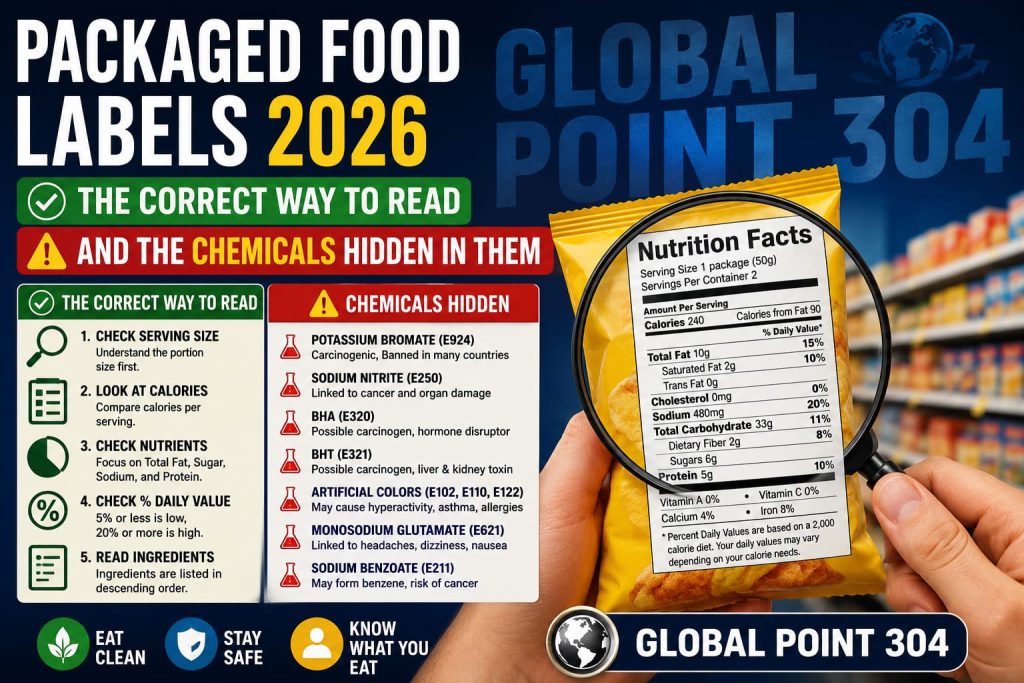
You do not need a nutrition degree to become better at reading food packages
Start with the ingredient list
1. Read the Ingredients
Ingredients are generally listed by weight, so the first several ingredients can tell you a lot about a product
If a product begins with refined flour, added sugars, oils, and several additives, you may want to compare it with alternatives
Do not judge a product based on one ingredient alone
2. Look for Added Sugars – Ultra-Processed Foods in 2026
Sugar can appear under different names
Examples include
- Sucrose
- Glucose syrup
- Fructose
- Corn syrup
- Invert sugar
- Maltose
- Dextrose
The nutrition label is often more useful than trying to memorize every possible sugar ingredient
3. Check Sodium
Many packaged foods can contain substantial amounts of sodium
Compare similar products rather than assuming one product is healthier because its packaging says “natural” or “premium”
4. Look at Fiber
Fiber can help make meals more filling and supports digestive health
Whole grains, beans, vegetables, fruits, nuts, and seeds are useful sources
5. Check the Serving Size
This is one of the easiest details to overlook
A package may look like one serving while the nutrition panel lists multiple servings
Always check how many servings are actually inside the package
Understanding labels is closely connected to our previous guide
Food Labels Explained: Ingredients, Calories & Hidden Sugars
Do Long Ingredient Lists Automatically Mean Ultra-Processed?
No
This is an important correction to a common internet rule
A five-ingredient food is not automatically healthy, and a 15-ingredient food is not automatically unhealthy
Likewise, an ingredient that sounds unfamiliar is not necessarily dangerous
Some additives have legitimate technological functions, such as improving stability, texture, preservation, or consistency
The better question is – Ultra-Processed Foods in 2026
What is this food, how is it formulated, how often do I eat it, and what does it contribute to my overall diet?
This approach is far more useful than treating every unfamiliar ingredient as toxic
That is one of the most important lessons when discussing Ultra-Processed Foods in 2026
Common Ultra-Processed Foods You May Encounter
The exact classification can depend on the formulation, so these should be viewed as examples rather than an absolute list
Breakfast
Some
- Sugary breakfast cereals
- Flavored instant breakfast products
- Sweet pastries
- Packaged breakfast sandwiches
Snacks
Some
- Packaged cookies
- Candy
- Flavored chips
- Sweet snack bars
- Cheese-flavored snacks
Drinks
Some
- Sugary soft drinks
- Energy drinks
- Sweetened bottled beverages
- Certain flavored drinks
Ready Meals
Some
- Frozen pizza
- Instant noodle products
- Highly formulated microwave meals
- Some packaged pasta dishes
Meat Products – Ultra-Processed Foods in 2026
Some
- Certain processed meat products
- Hot dogs
- Chicken nuggets
- Highly formulated meat substitutes
The important word here is some
Not every product within a broad category has exactly the same formulation
Always check the package
What Should You Eat Instead?
The answer is not “eat only raw food.”
That would be impractical and unnecessary
Instead, build meals around minimally processed foods whenever possible
Better Breakfast Options
Try
- Oatmeal with fruit and nuts
- Eggs with vegetables
- Plain yogurt with berries
- Whole-grain toast with eggs
- Homemade chickpea or bean dishes
Better Snack Options
Consider
- Fresh fruit
- Nuts
- Plain yogurt
- Boiled eggs
- Roasted chickpeas
- Fresh vegetables with hummus
Better Drink Options
Choose more often
- Water
- Sparkling water without added sugar
- Unsweetened tea
- Coffee without excessive added sugar
- Homemade fruit-infused water
Better Main Meals
A simple plate can include
Protein + vegetables + whole grains or legumes + healthy fat
For example – Ultra-Processed Foods in 2026
Grilled chicken + vegetables + brown rice + olive oil
Or
Lentils + vegetables + whole-grain roti + plain yogurt
Healthy eating does not have to look like an expensive social-media meal
Simple food can be excellent food
Ultra-Processed Foods in 2026 and the “All or Nothing” Problem
One of the biggest mistakes people make is trying to eliminate everything at once
They clean out the entire kitchen on Monday
By Thursday, they are exhausted
By Friday, they order fast food
Then they decide the entire plan failed
This cycle is unnecessary
A better approach is gradual improvement
If you drink sugary beverages every day, start by replacing one serving
If you eat packaged snacks every afternoon, replace three days per week with fruit or nuts
If you order delivery five times a week, reduce it to three
Small changes are easier to maintain
This practical approach to Ultra-Processed Foods in 2026 is much more realistic for families than extreme elimination diets
10 Smart Food Swaps for Everyday Life – Ultra-Processed Foods in 2026
Swap 1: Sugary Cereal for Oats
Use oats with fruit, nuts, cinnamon, or plain yogurt
Swap 2: Sweetened Yogurt for Plain Yogurt
Add fresh fruit yourself
Swap 3: Packaged Cookies for Fruit and Nuts
Keep them visible and ready
Swap 4: Sugary Drinks for Water
If plain water feels boring, add lemon, cucumber, or mint
Swap 5: Instant Noodles for Quick Homemade Noodles
Add vegetables, egg, chicken, or beans
Swap 6: Packaged Sauce for Homemade Dressing
Olive oil, lemon juice, herbs, and spices can create a simple dressing
Swap 7: Processed Snack Bars for Homemade Snack Boxes
Combine nuts, fruit, and plain yogurt
Swap 8: Frozen Fried Foods for Homemade Air-Fried Foods
Use simple ingredients and control the amount of oil and salt
Swap 9: Sweet Pastries for Eggs and Whole-Grain Toast
This can provide a more substantial breakfast
Swap 10: Frequent Delivery for Planned Meals
Planning two or three meals ahead can dramatically reduce last-minute decisions
The Technology Side of Healthy Eating – Ultra-Processed Foods in 2026
This is where the Food & Tech category becomes particularly interesting
Technology does not have to encourage more packaged food
Used correctly, technology can help people cook more efficiently
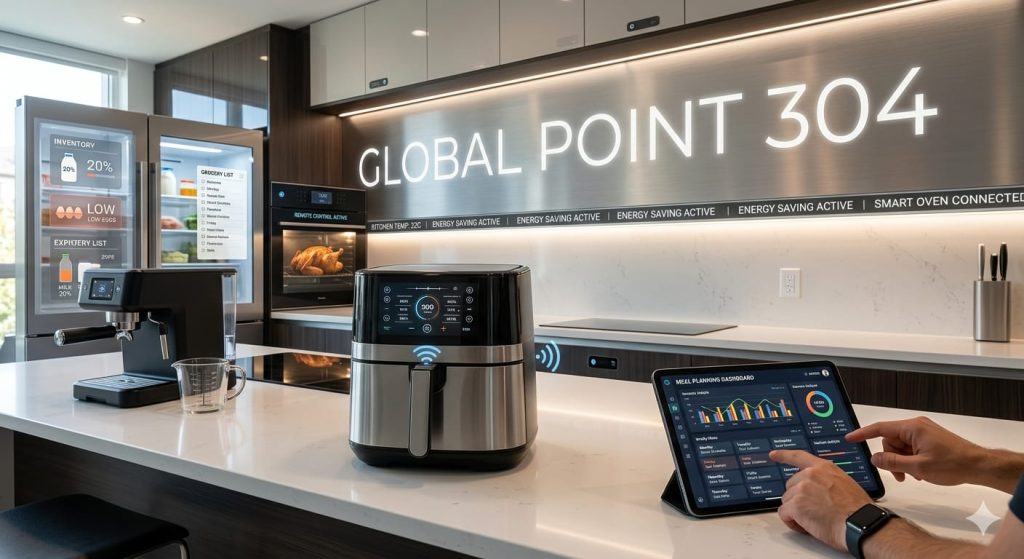
Smart appliances, meal-planning applications, grocery-list tools, nutrition databases, and AI recipe systems can reduce the friction involved in preparing meals
For example, an AI meal planner can take ingredients already available in your kitchen and generate recipe ideas
You can read our comparison
AI Meal Planner vs Traditional Meal Planning
How AI Can Help Reduce Reliance on Ultra-Processed Foods
Imagine opening your refrigerator and finding
- Eggs
- Tomatoes
- Spinach
- Lentils
- Yogurt
- Onions
Instead of asking, “What can I cook?”
You can give those ingredients to an AI tool and request several simple recipes
AI can also help create – Ultra-Processed Foods in 2026
- Weekly meal plans
- Grocery lists
- Leftover recipes
- Budget-friendly meals
- High-protein meal ideas
- Vegetarian meal ideas
- Quick 15-minute recipes
AI should not replace professional medical or dietary advice for people with medical conditions
But for ordinary meal organization, it can be a useful planning assistant
Our guide to AI recipe tools can help readers explore this area further
5 Best AI Recipe Generators in 2026
This is one reason Ultra-Processed Foods in 2026 is not simply a health topic
It is also a technology and lifestyle topic
Smart Kitchen Technology Can Make Whole-Food Cooking Easier
Time is often the real enemy
A person may understand nutrition perfectly but still choose a packaged meal because they have 20 minutes to cook
Smart kitchen technology can help
Modern appliances can support
- Pressure cooking
- Air frying
- Slow cooking
- Steaming
- Temperature control
- Meal preparation
- Batch cooking
Explore more in our smart kitchen technology guide
You can also explore
Smart Kitchen Tech: How Technology Is Changing Cooking
The objective is not to buy every smart appliance
The objective is to identify which technology actually saves time in your household
Meal Planning Is a Powerful Tool
People often eat poorly when they are hungry and have no plan
Meal planning reduces that problem
A simple weekly plan might look like
Sunday: Lentil curry + rice
Monday: Leftover lentils + vegetables
Tuesday: Chicken + vegetables + roti
Wednesday: Egg and vegetable wraps
Thursday: Chickpea salad + yogurt
Friday: Homemade fish + potatoes + vegetables
You do not need seven completely different recipes
Cooking larger portions can make healthy eating easier
This is where technology and practical nutrition meet
Grocery Shopping: A Better Strategy
The common advice to “only shop around the perimeter” can be useful as a simple reminder, but it is not a complete nutritional strategy
Many nutritious foods are found in the middle aisles
Examples include
- Dried beans
- Lentils
- Oats
- Brown rice
- Whole-grain pasta
- Nuts
- Seeds
- Canned tomatoes
- Frozen vegetables
So instead of avoiding the middle aisles completely, shop with a list
Buy mostly foods that help you build meals
That is a more practical strategy for Ultra-Processed Foods in 2026 awareness
What About “Healthy” Packaged Foods?
This is where marketing can become confusing
A package might say
Natural
Multigrain
High Protein
No Added Sugar
Heart Healthy
Organic
These claims do not tell the entire nutritional story
Turn the package around
Read
- Serving size
- Calories
- Added sugars
- Sodium
- Saturated fat
- Fiber
- Protein
- Ingredient list
A food can carry a positive marketing message and still be something you should consume occasionally rather than daily
That is why label literacy is more powerful than front-of-package marketing
Ultra-Processed Foods in 2026: What About Children?
Children can be particularly exposed to highly marketed packaged foods
Colorful packaging, cartoon characters, sweet flavors, and convenient snack formats can make these foods attractive
Parents do not need to create a forbidden-food environment
A better strategy is to make nutritious options easier to access
Keep fruit washed and visible
Prepare simple snacks in advance
Serve family meals when possible
Allow occasional treats without turning them into a reward system
The goal is to teach children how to make food decisions, not simply to create a list of forbidden products
Ultra-Processed Foods in 2026: What About Weight Management?
Weight management is more complicated than simply removing processed foods
Total energy intake, food composition, activity, sleep, stress, genetics, medications, and many other factors can matter
The NIH randomized trial provides evidence that an ultra-processed diet can promote greater calorie intake under controlled conditions
But that does not mean everyone will respond identically
For sustainable weight management, focus on meals that are satisfying and nutritionally useful
Protein-rich foods, vegetables, fruits, legumes, whole grains, and minimally processed foods can make it easier to build filling meals
If you have a medical condition or a history of an eating disorder, individualized guidance from a qualified healthcare professional is more appropriate than following generalized internet food rules
Ultra-Processed Foods in 2026: A Simple 7-Day Challenge
Want to make a change without becoming overwhelmed?
Try this
Day 1
Replace one sugary drink with water or unsweetened tea
Day 2
Eat a whole-food breakfast
Day 3
Replace one packaged snack with fruit and nuts
Day 4
Cook one meal completely from basic ingredients
Day 5
Read the ingredient list on three packaged products
Day 6
Use leftovers to create a new meal
Day 7
Plan your meals for the coming week
Do not aim for perfection
Aim for a better system
How Global Point 304 Approaches Food and Technology
At Global Point 304, our Food & Tech coverage focuses on the intersection of everyday food decisions and modern technology
The goal is not to create fear around food
It is to make complicated topics easier to understand
That includes food labels, AI meal planning, smart kitchen appliances, food safety technology, water filtration, and emerging food innovations
Readers interested in the broader food-tech ecosystem can explore
Cloud Kitchens in Pakistan 2026
Food Allergy Detection Technology
These topics demonstrate how food, technology, convenience, and consumer awareness increasingly overlap
Can Technology Actually Help You Eat Better?
Yes, but only if it solves a real problem
Buying a smart appliance does not automatically create a healthy diet
Installing a nutrition app does not automatically improve eating habits
Using AI does not automatically make recipes nutritious
Technology is a tool
The human decision still matters
For example, AI can generate a grocery list
You still need to buy the ingredients
A smart cooker can prepare lentils
You still need to put the lentils inside
A food label scanner can identify nutrition information
You still decide whether to buy the product
That human element is why Ultra-Processed Foods in 2026 should be viewed as a behavior and environment issue as much as a technology issue
A Practical Ultra-Processed Food Checklist
Before buying a packaged product, ask yourself
Question 1
What is the main ingredient?
Question 2
How much added sugar does it contain?
Question 3
How much sodium does it contain?
Question 4
How much fiber and protein does it provide?
Question 5
What is the serving size?
Question 6
Is this something I eat occasionally or every day?
Question 7
Is there a simpler alternative?
Question 8
Can I prepare a similar meal at home without much extra effort?
You do not need perfect answers
The purpose is to make you pause before buying
A Simple Whole-Food Kitchen Starter List
If you want to reduce your reliance on highly formulated packaged foods, start with a small pantry
Protein
- Eggs
- Chicken
- Fish
- Lentils
- Chickpeas
- Beans
- Plain yogurt
Carbohydrates
- Oats
- Brown rice
- Whole grains
- Potatoes
- Whole-grain bread
Vegetables
- Spinach
- Tomatoes
- Carrots
- Cucumbers
- Onions
- Bell peppers
- Frozen mixed vegetables
Healthy Fats
- Nuts
- Seeds
- Olive oil
- Peanut butter with a simple ingredient profile
Flavor
- Garlic
- Ginger
- Lemon
- Black pepper
- Cumin
- Turmeric
- Fresh herbs
With these ingredients, you can create dozens of meals without depending heavily on ready-made products
Frequently Asked Questions
Are all processed foods unhealthy?
No
Processing includes many useful techniques such as freezing, pasteurization, drying, grinding, and preservation
The NOVA system distinguishes minimally processed and processed foods from ultra-processed products
Are ultra-processed foods always dangerous?
No
It is more accurate to say that higher consumption of ultra-processed foods has been associated with various health concerns, while researchers continue investigating the mechanisms and causal relationships
The controlled NIH trial found greater calorie intake and weight gain during an ultra-processed diet compared with a minimally processed diet in its small sample
Should I completely eliminate ultra-processed foods?
Not necessarily
For most people, a more realistic strategy is to reduce frequent consumption and build meals around minimally processed foods
Is a food unhealthy just because it contains additives?
No
An additive’s presence does not automatically make a food unhealthy or unsafe
The overall food formulation and dietary pattern matter
Is frozen food processed?
Yes, but processing does not automatically mean ultra-processing
Frozen vegetables, for example, can be minimally processed and nutritionally useful
Are canned foods unhealthy?
Not automatically
Canned beans, tomatoes, vegetables, and fish can be useful foods
Check sodium, added sugars, and the ingredient list
Can AI help me reduce ultra-processed foods?
Yes
AI can help with meal planning, recipes, grocery lists, ingredient substitutions, and using food already available at home
It should be treated as a planning tool rather than a medical nutrition professional
Final Thoughts: Better Food Decisions Without Fear
The conversation about Ultra-Processed Foods in 2026 does not need to become a war between “perfect” food and “bad” food
Real life is more complicated
People work
Parents get tired
Students have limited budgets
Families travel
Sometimes convenience matters
The smarter approach is to understand the difference between occasional convenience and a diet dominated by highly formulated products
Learn to read the label
Look beyond marketing claims
Build meals around vegetables, fruits, legumes, whole grains, nuts, seeds, and appropriate protein sources
Keep convenient healthy ingredients available
Use technology when it genuinely saves time
Use AI to plan instead of constantly ordering
Use smart kitchen appliances when they make cooking easier
And remember that one meal does not define your health
Your overall pattern matters far more
The strongest lesson from Ultra-Processed Foods in 2026 is not that you must eliminate every packaged product
It is that you should become a more informed consumer
When you understand ingredients, nutrition labels, food processing, portion sizes, meal planning, and technology, you gain more control over your everyday choices
That is the real objective of food awareness
Start with one change this week
Replace one frequently consumed ultra-processed product with a simpler alternative
Then build from there
Small decisions repeated consistently can create a much stronger eating pattern than an extreme diet that lasts only a few days
Further Reading and Authoritative Resources
For readers who want to go beyond social-media claims, these resources are worth consulting
FAO: Ultra-processed foods, diet quality and human health
The FAO resource reviews the NOVA framework and the scientific discussion surrounding ultra-processed foods and health
NIH: Heavily Processed Foods and Overeating Study
The NIH explains the controlled dietary trial in which participants consumed more calories and gained weight during the ultra-processed diet period
PubMed: Ultra-Processed Diets Cause Excess Calorie Intake and Weight Gain
The PubMed record provides the published scientific study and its details